Pre-Trip Inspections: What Every Fleet Should Be Checking Daily
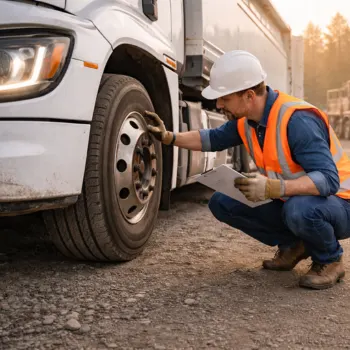
A pre-trip inspection is part of the daily routine in local hauling. It happens before the first load, often under time pressure, and it sets the tone for the entire shift.
Most drivers know how to complete a truck pre-trip inspection. They check brakes, tires, lights, air systems, and, in a dump truck inspection, hydraulic components. The process is familiar. The problem is not knowledge. It is rushing.
In local dump and bulk operations, a missed issue during a pre-trip inspection can quickly turn into a roadside DOT inspection, repair delay, or even CVSA violations. What starts as a small oversight can lead to downtime and lost loads. This article focuses on the areas that matter most and how inspection discipline protects daily performance.
The Role of the Pre-Trip Inspection in Bulk and Dump Operations
A pre-trip inspection is not optional in commercial trucking. It is a daily requirement before operating a commercial vehicle, and it applies to both CDL A and CDL B drivers. Before the first load moves, the truck must be checked and confirmed safe to run.
In bulk and dump operations, that daily check carries more weight than many fleets realize. These trucks do not spend their time cruising long stretches of highway with light freight. They haul heavy material, operate in tight job sites, and run repeated cycles throughout the day. The equipment works hard from the first mile.
This matters most in operations such as:
- Aggregate hauling
- Construction hauling
- Mining
- Logging
- Heavy equipment transport
- Tanker operations
These environments bring rough terrain, steep grades, frequent stops, and full payloads. Brakes wear faster. Tires heat up. Suspension parts take more stress. Hydraulic systems cycle constantly on dump units. The mechanical load is higher than in many other types of trucking.
In this setting, a pre-trip inspection is more than a rule to follow. It is a basic layer of operational protection. It helps catch wear before it turns into downtime and keeps heavy equipment running the way the day’s schedule expects it to.
Core Areas in a Pre-Trip Inspection Checklist
A proper pre-trip inspection follows a consistent pattern. While each company may use its own form, most checklists focus on the same mechanical systems. In bulk and dump operations, these areas deserve close attention because they carry the most stress during daily work.
1. Brake System
Brakes are one of the most inspected and most cited systems during roadside enforcement. A thorough check should include:
- Air brake lines
- Slack adjusters
- Brake chambers
- Drums and linings
Many out-of-service orders stem from frequent DOT brake violations, which often trace back to wear that could have been spotted earlier. Heavy loads and repeated stops increase that wear in local operations.
2. Tires and Wheels
Tires carry the full weight of every load. Rough job sites and tight turns add more pressure to already stressed components.
A pre-trip inspection checklist should cover:
- Tread depth and uneven wear
- Proper tire inflation
- Lug nut security
- Sidewall damage or bulges
Small cuts or low pressure can quickly turn into blowouts under load. Catching them in the yard is far easier than dealing with them on the roadside.
3. Suspension and Frame Components
Suspension and frame parts absorb the impact of every load and every uneven surface. In operations that run on gravel roads, quarry entrances, logging paths, or mining routes, these components take constant stress.
A pre-trip inspection checklist should include:
- Springs and airbags
- U-bolts
- Visible frame cracks
- Shock absorbers
Uneven terrain increases suspension wear and frame fatigue. Loose components or early cracks may not seem urgent at first, but they can grow quickly under full payload. Catching them early prevents larger mechanical repairs and unplanned downtime.
4. Hydraulic Systems
Hydraulic components are central to dump operations. If they fail, the truck may reach the job site but be unable to unload.
During a dump truck inspection, drivers should check:
- Hydraulic lines
- PTO engagement
- Cylinder leaks
- Tailgate latches
- Bed lift function
Leaks, weak lift movement, or latch issues can stop work on site. A hydraulic failure during unloading delays the truck, slows the crew, and affects the rest of the day’s schedule.
5. Coupling and Trailer Connections
For combination units, the connection between tractor and trailer must be secure before the first mile.
A proper pre-trip inspection should verify:
- Fifth wheel lock
- Kingpin condition
- Air and electrical lines
- Glad hands
Improper coupling can trigger serious compliance problems during roadside DOT inspection. It can also lead to immediate out-of-service decisions. These checks take only minutes but protect both safety and uptime.
6. Lighting and Visibility Equipment
Lighting checks are part of every pre-trip inspection, no matter the truck type. These systems are simple, but they are also some of the most frequently cited during roadside stops.
A pre-trip inspection checklist should confirm:
- Brake lights
- Turn signals
- Clearance lights
- Reflectors
Lighting violations are among the most common issues found during DOT inspections. A quick walk-around before departure can prevent a citation that could remove a truck from service later in the day.
7. Air Systems and Electrical Connections
Air and electrical systems support braking performance and trailer communication. Small leaks or loose connections can escalate quickly under load.
A proper pre-trip inspection should include:
- Air pressure levels
- Audible air leaks
- Electrical cord condition
Air system failures are frequently tied to CVSA roadside inspection trends, and they can lead to immediate out-of-service decisions. That kind of shutdown affects more than one load. It can interrupt the entire workday.
How These Components Affect Fleet Performance
A pre-trip inspection is not just a checklist of exercise. It connects directly to daily output.
Heavy wear increases the chance that a small issue will develop into a defect. When that defect goes unnoticed, the truck may pass the yard but fail later during a roadside DOT inspection. By then, it is no longer a small issue.
Missed issues often lead to:
- Roadside inspection failures
- Out-of-service orders
- Unexpected repair stops
- Lost production time
An out-of-service order removes a truck from rotation immediately. Repairs take time, even when parts are available. In local operations with high load frequency, the impact shows up fast. Fewer completed loads mean lower revenue for the day and added pressure on the rest of the fleet.
Some fleets underestimate how small inspection gaps contribute to hidden cycle time delays that reduce daily output. When trucks stop unexpectedly, everything downstream slows down.
DOT Inspections, CVSA Violations, and Operational Risk
A daily pre-trip inspection is preventive. A roadside DOT inspection is enforcement.
Drivers perform the pre-trip before operating the vehicle. A DOT inspection happens without warning and reviews the same systems under formal standards. When defects are found, they are documented and may lead to CVSA violations.
Common violations often involve:
- Brake system defects
- Tire condition issues
- Lighting failures
- Air system leaks
If a truck is placed out of service, it cannot move until repairs are made. That can mean missed loads, rescheduled jobs, and additional costs. Repeated violations can also affect a company’s CSA score. Over time, inspection history can influence insurance reviews and underwriting decisions.
Staying ahead of inspections is easier when fleets use tools that help track driver records and vehicle DOT compliance in one place instead of relying on paper or memory.
Strengthening Inspection Discipline in Local Fleets
Inspection discipline starts with leadership. When expectations are clear, inspections become part of daily operations rather than afterthought.
Strong fleets often focus on:
- Standardized inspection routines
- Clear defect reporting procedures
- Connecting inspection findings to maintenance scheduling
- Avoiding pressure that encourages rushing
- Tracking recurring mechanical patterns
When inspection results are tied directly to fleet of vehicle maintenance tracking and service visibility, problems are addressed before they grow. Patterns become easier to spot. Repeat issues decline over time.
Consistency is what protects uptime. The checklist itself does not improve performance. The way it is used does.
Reducing Preventable Downtime Through Visibility
A pre-trip inspection only works if the results are visible to the people running the day.
Managers need to know which trucks are cleared to run, which ones are out of service, and what issues were reported. Drivers, dispatch, and maintenance should all be looking at the same information. That clarity reduces preventable downtime across the fleet.
With real-time dispatch visibility across active trucks, you can quickly see which units are available. When a defect is reported, live job monitoring to quickly spot delays and out-of-service trucks helps you adjust before the problem spreads.
Pre-trip inspections protect the equipment. Visibility protects the schedule.
If you want to see how Dump Truck Dispatcher connects inspections, maintenance, and dispatch in one system, schedule a demo and see it in action.
Frequently Asked Questions About Pre-Trip Inspection
What should be included in a pre-trip inspection?
A pre-trip inspection should cover brakes, tires, suspension, air systems, lights, and coupling equipment. Drivers should check for leaks, worn parts, loose components, and proper air pressure. Inside the cab, gauges and warning lights should also be checked before driving.
What are the legal requirements for pre-trip inspections?
Drivers are required to inspect their vehicle before operating it. They must confirm the truck is safe to drive and review the previous inspection report. If a safety defect is found, the truck should not be operated until it is repaired.
What are common pre-trip inspection mistakes?
The most common mistake is rushing the inspection. Drivers may skip checking air pressure, small leaks, or lighting issues. Minor problems often get ignored until they turn into costly breakdowns.
What is the item most commonly overlooked during a pre-trip inspection?
Small air leaks are often missed because they are not obvious at first. Lighting issues and minor hydraulic leaks are also commonly overlooked. These small problems are frequent reasons trucks fail roadside inspections.